
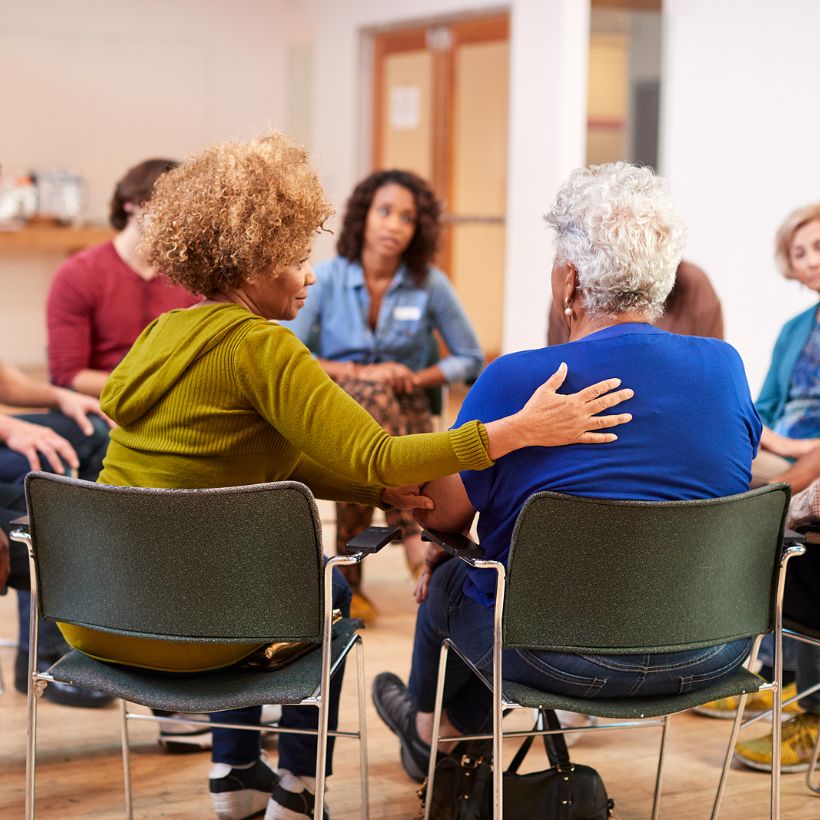
Healing from trauma is a deeply personal journey, yet it is one that is profoundly enhanced by community care. Emphasizing the pivotal role of community care in trauma recovery not only fosters a supportive network but also lays the groundwork for lasting healing.
Incorporating community care into mental health frameworks is becoming increasingly recognized for its potential to transform individual and collective healing processes. Understanding this essential component can empower individuals to seek the supportive networks necessary for true recovery and resilience.
The Importance Of Community Care In Trauma Recovery
Community care is critical in the healing process of trauma, providing an environment of acceptance, understanding, and support that individual therapy might not wholly offer on its own. It encompasses a range of services and support systems, playing an invaluable role in the physical, emotional, and psychological aspects of recovery. A trauma-informed counseling community prioritizes safety and collaboration, fostering an atmosphere where trauma survivors can thrive.
Trauma & Its Impact
Trauma can manifest from various experiences, including accidents, natural disasters, and events of abuse or violence. It disrupts the brain’s normal stress response and can lead to long-term conditions such as post-traumatic stress disorder (PTSD). The effects are not just mental; they permeate physical health, behavioral patterns, and social interactions.
Behavioral Health & The Role Of Community
Behavioral health professionals emphasize the necessity of a well-rounded recovery strategy, which includes community involvement. Community care addresses behavioral health by integrating collective experiences and shared coping strategies. This interconnectedness can profoundly influence the healing journey, addressing both the symptoms of trauma and the root causes of stress.
Group Therapy Vs Community Care
Group therapy is a structured setting facilitated by a licensed counselor or social worker, focusing on healing through shared narratives and therapeutic techniques. Community care, on the other hand, extends beyond the boundaries of formal therapy. It includes spontaneous interactions and peer support, often leading to more profound social integration and healing.
Social Support Vs. Professional Support
Both social support and professional mental health care play vital roles in trauma recovery. Social support systems, while not a replacement for professional counseling, offer everyday emotional backing and reassurance.
Licensed professional counselors and licensed social workers provide the expertise needed to guide individuals through structured therapeutic processes while community and social supports offer daily reinforcement of therapeutic advances.
- Emotional stability from nurturing relationships.
- A sense of belonging and acceptance.
- Collective resilience and mutual strength.
- Daily reinforcement of progress made in therapy sessions.
Why Peer Support Is Essential For Trauma Healing
Peer support is a foundation of community care, especially valuable in trauma recovery. Individuals learn from others who have navigated similar paths, gaining insights and encouragement. This form of support can dispel the alienation often accompanying trauma, reinforcing the notion that healing is both possible and achievable.
Trauma-Informed Community Care
A trauma-informed approach ensures that communities are aware of the widespread impact of trauma and understand the paths to recovery. It involves adapting practices and policies to promote safety and empowerment for all residents, which is especially critical in places like Grand Rapids, where a sense of community can be a cornerstone of healing.
Collective Healing Strategies
Collective healing strategies leverage the strength found in community, offering various approaches to mental health care. These can range from communal events focused on wellness to initiatives that encourage active participation and shared responsibility for health outcomes.
Effective Community Care Models In Mental Health
Trauma-informed communities develop differently and are complex but worthwhile to build. Several models of community care have shown significant success in mental health.
- Community centers hosting regular support groups and wellness workshops.
- Online platforms offering forums and peer-to-peer support networks.
- Neighborhood initiatives creating safe public spaces for dialogue and sharing.
- Collaborative efforts between local organizations and licensed professionals.
Benefits Of Community Care For Trauma Survivors
The advantages of community care for trauma survivors are multidimensional. Access to supportive environments enhances emotional well-being, fosters skills development, and promotes an inclusive, resilient mindset.
- Increased sense of accountability and participation in recovery.
- Greater access to diverse perspectives and coping techniques.
- Opportunities to mentor or support others, enhancing self-worth.
- Reduction in feelings of loneliness and helplessness.
FAQs
What Distinguishes Community Care From Individual Therapy?
Community care focuses on collective support and shared experiences rather than the one-on-one guidance offered in individual therapy.
How Do I Find A Suitable Community Care Network?
Research local support groups, community centers, and online forums. Professionals can often provide recommendations based on individual needs.
Can I Integrate Community Care With Professional Counseling?
Absolutely. Combining both approaches can produce more comprehensive and sustained healing results.
Is Community Care Suitable For All Types Of Trauma?
Yes, community care is adaptable, supporting various trauma experiences through its inclusive strategies.
Embracing Community Care For Trauma Recovery In Grand Rapids, MI
At Health for Life Counseling, located in the heart of Grand Rapids, MI, we understand the transformative potential of community care in trauma recovery. By building robust, supportive networks, we can empower individuals to move beyond their challenges, cultivating resilience and hope.
Reach out today to explore how community-based strategies can be part of your healing journey. Together, we can create a nurturing environment that supports lasting well-being for everyone.

