
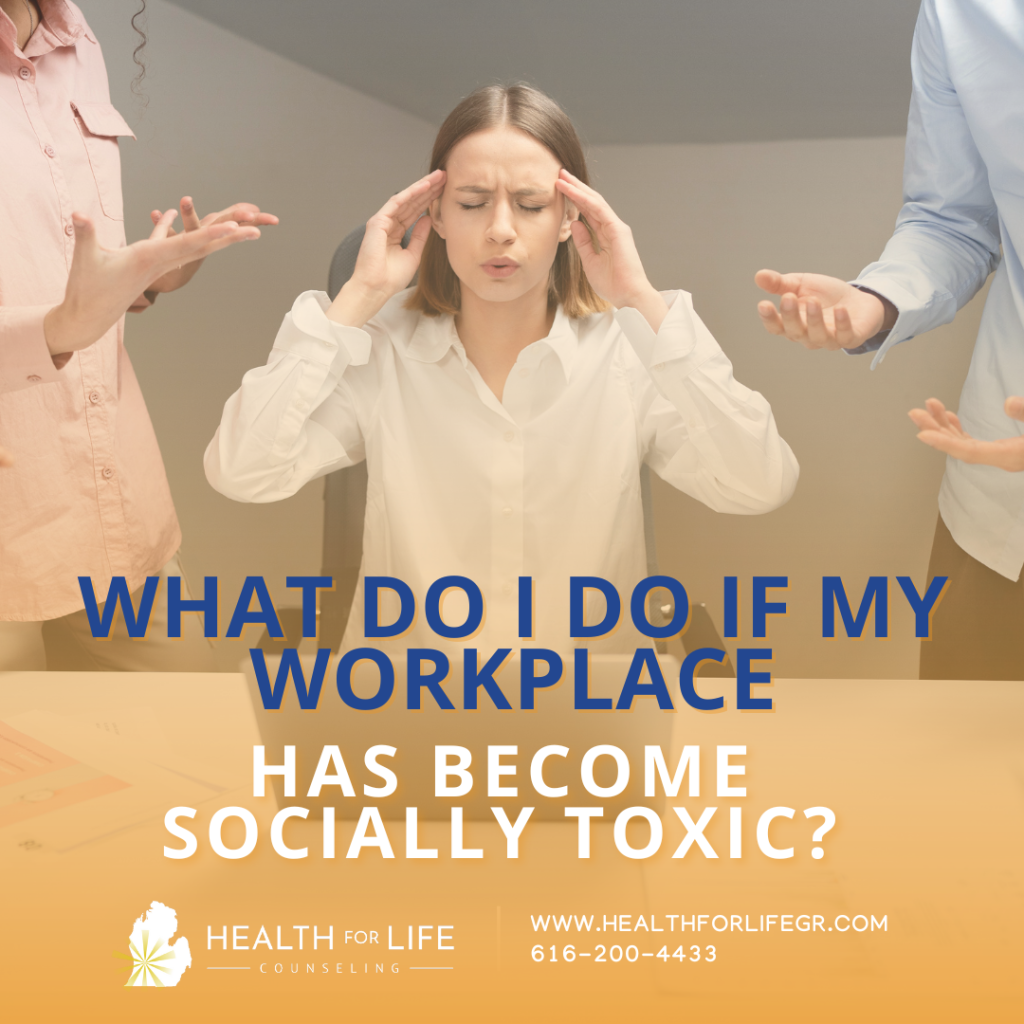
Most of us expect work to be challenging at times. Deadlines, feedback, and pressure are natural parts of getting things done. But when the social atmosphere at work starts to feel tense, unsafe, or draining, it’s a different kind of stress.
You may notice yourself leaving work feeling smaller than when you arrived, avoiding certain people, or questioning your own competence. That’s often what a socially toxic workplace feels like.
Unfortunately, this isn’t rare. Recent surveys show two-thirds of U.S. workers (66%) have experienced or witnessed incivility at work, and nearly 1 in 5 describe their workplace as toxic. Not surprisingly, people in toxic settings were over three times more likely to report harm to their mental health than workers in healthy environments.
In this article, we’ll help you recognize what social toxicity at work looks like, understand why teams turn toxic, and learn how to protect yourself.
What does a socially toxic workplace look like?
Each working environment has its own characteristics, but one thing sets a socially toxic workplace apart: you don’t feel emotionally safe there.
Social toxicity is a system characterized by unclear norms, uneven power distribution, and leaders who ignore poor behavior and allow it to persist. Usually, it shows up in everyday interactions rather than dramatic incidents. You might notice gossip and side conversations that exclude certain people, sarcasm that negatively affects your mood, or meetings where people dismiss your ideas without explanation. As a result, you may hide your thoughts and feelings, weigh every word, and start ‘editing’ yourself.
That constant caution usually puts your nervous system in threat mode. Being on alert, in turn, narrows attention, drains working memory, and makes it harder to think creatively or recover after small mistakes. Even brief rudeness from a coworker can reduce performance on routine tasks (Porath & Erez, 2017). The reason is that you spend all your energy scanning for social danger instead of focusing on work. As a result, you end up feeling exhausted, doubting your competence, and taking work home in your head.
You’re not oversensitive for noticing this. Rather, your body is responding to a culture that doesn’t feel safe.
Why teams turn toxic: the system behind the symptoms
Toxic cultures aren’t born from one “bad apple.” More often, they’re made by the barrel – the system that allows unhealthy behavior to spread.
This is a famous metaphor from Philip Zimbardo, who argued that we over-blame individuals (“a few bad apples”) and underestimate situational forces (“bad barrels” and even “bad barrel makers”) that determine toxic behavior: unclear norms, leader indifference, reward systems that prize output over respect, and status games.
As a result of this system, we’re forced to perform self-protective moves and follow the system’s rules: speak up, play by their rules, and you’ll survive. Naturally, when people feel overwhelmed or insecure at work, they’re more likely to compete, blame, or protect themselves socially. And when individuals adapt to these systematic norms, teams as a whole turn toxic. This cycle then reinforces the very conditions that made people insecure in the first place.
Signs toxic workplace is starting to affect your mental health
When the social climate at work turns hostile or unsafe, your mind and body usually let you know first. According to a 2024 study, toxic workplaces erode mood, sleep, and concentration and lead to poorer mental health outcomes (Priesemuth & Schminke, 2024).
Here are some of the most common signs that your workplace is negatively affecting your well-being:
- Persistent anxiety before work – You feel tense on Sunday night or before entering the workplace. Chronic anticipatory stress is a sign from your body that the environment doesn’t seem safe.
- Sleep problems and constant fatigue – You can’t fall asleep, wake in the night thinking about work, or struggle to feel refreshed even after rest.
- Brain fog at work – It’s harder to focus, remember details, or get over small mistakes at work. Such cognitive strain is common under social threat and incivility.
- Mood changes – You’re more irritable, sad, or hopeless on workdays, and it lifts on days off. Sometimes you might even feel hopeless about work, cry more easily, or feel numb about things you used to enjoy.
- Somatic symptoms – You experience headaches, tight shoulders and jaw, muscle tension, or a racing heart around meetings, messages, or specific coworkers.
- Withdrawing from supportive people – You ruminate after hours, have less energy for friends and family, or stop doing things that usually help.
What you can do right now to protect yourself
If your workplace culture feels unsafe, your first priority is to protect your nervous system and make sure you have enough energy to think clearly. Here are three things you can do, backed by empirical studies:
- Take a break (tiny, medium, or big) – Believe it or not, giving yourself just 10 minutes in the middle of the workday can significantly reduce fatigue and boost energy. Studies show that such microbreaks can reduce accumulated strain and improve performance (Albulescu et al., 2022). If you’re truly depleted, then take a full hour away. Try walking in daylight without any work-related talk. And accept the fact that sometimes, the right break is a few days or even a month off to truly recover, and that’s fine too.
- Set clear boundaries – The reason work stress follows you home is usually simple: you don’t have any boundaries. That’s why you should pick one small, non-negotiable limit (for example, no replies after a specific time or checking messages only at particular times). Even modest after-hours limits help your brain stop scanning for threats and actually recover.
- Grounding techniques – However simple it may sound, sometimes you just need to breathe to get your body out of “threat mode” before you decide what to do next. Try slow, paced breathing for 2-5 minutes. Just inhale gently, then make your exhale a bit longer than your inhale. As your heart rate steadies, do a quick sensory check: notice 5 things you see, 4 you feel, and 3 you hear. If you’re still on edge, you can even splash cool water on your face or step outside for fresh air.
Yes, these small actions don’t solve the problem itself, but they give you enough calm to choose a clear response instead of reacting on autopilot.
Stay or go?
It’s not simple to make the right decision when your body is stuck in the alarm mode while your mind is weighing pay, projects, and people.
Still, your well-being depends on a few priorities: safety first, health second, and values/work fit third. So, try to ask yourself:
- Am I okay here day to day?
- Can I do good work without sacrificing my sleep, mood, or relationships?
- Do my tasks and team align with who I want to be in 6-12 months?
Treat your answers as information – if at least two are “no,” then it may be worth planning an exit on your terms.
How counseling helps when work feels toxic
Even if you’re certain that your workplace has become socially toxic, it’s not always easy to determine next steps and take care of your psychological well-being at the same time.
Counseling gives you a safe place to do both. In the process of therapy, you’ll be able to process what’s happening at work and how it’s affecting you. A therapist can help you regulate stress, reduce rumination, and rebuild confidence that may have been affected by a toxic environment. Most importantly, your therapist will help you practice boundaries and communication strategies that fit your role and personality.
At Health for Life Counseling, our licensed therapists keep it practical and compassionate. We rely on evidence-based approaches, such as Motivational Interviewing, ACT, EMDR therapy, and DBT-informed skills to help you rebuild confidence, set boundaries, and get ready for tough conversations.
You can meet our therapists in person in Grand Rapids, Ada, or the Northview Neighborhood, or through secure telehealth anywhere in Michigan.
Note that we accept many insurance plans, including Optum, Aetna, Meritain Health, ASR, Cofinity, and more, and we’re happy to help you check coverage.

