
Counseling for 65+ Individuals
at Health for Life Counseling Grand Rapids
At Health for Life Counseling in Grand Rapids, MI, we recognize the wisdom, experience, and resilience that come with age. At the same time, this stage of life can bring new challenges and transitions that may impact emotional well-being.
Counseling for seniors provides a supportive environment where individuals can talk openly about their experiences, navigate life changes, and focus on personal growth in later life.
Seeking professional support is a meaningful step toward improving overall well-being. Through compassionate senior counseling, individuals can explore their concerns, strengthen relationships, and build tools that support a fulfilling and balanced life.
Why Older Adults Should Consider Therapy
Growing older is a journey filled with memories, achievements, and lessons learned. But reaching the age of 65 and beyond can also bring its own set of challenges.
Health changes, retirement, shifting family roles, or the loss of loved ones may affect overall mental health and quality of life. Working with a trained professional can provide clarity, perspective, and support through these experiences.
Therapy for older adults offers a space where individuals can reflect on their life journey while addressing present-day concerns. Rather than focusing only on challenges, sessions often highlight strengths, resilience, and the personal values that have guided someone throughout their life.
Common Topics Addressed in Counseling
Many older adults seek support to discuss the transitions and challenges that come with this stage of life. Through personalized therapy, individuals can explore a variety of concerns and develop practical ways to move forward. These conversations may include:- Adjusting to life changes and major transitions.
- Exploring identity and purpose after retirement through retirement counseling.
- Processing loss and life transitions through grief counseling.
- Navigating family relationships and shifting roles.
- Building emotional resilience and personal fulfillment.
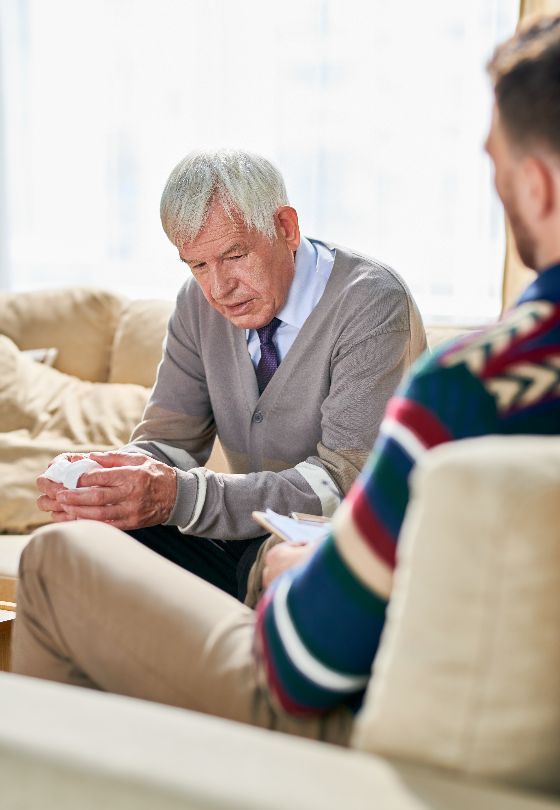

Understanding Senior's Mental Health Concerns
Growing old doesn’t just mean celebrating milestones and cherishing memories. Often, it also brings challenges that may overshadow the joys of aging.
Imagine you were once lively, moving around, and after a fall you now find it hard to even walk to the mailbox. The fact that your close friends, the ones you’ve shared countless memories with, begin passing away, can make it even more difficult to adapt to post-retirement changes.
Another terrible fact is that some seniors face not just neglect but even abuse. A 2021 study published by the American Journal of Geriatric Psychiatry found that 1 in 5 elders have experienced some form of mistreatment. Of course, this leaves emotional and physical scars and lowers the quality of life.
-
- Drastic changes in appetite or sleep patterns.
- Symptoms of extreme worry or fear.
- Becoming socially withdrawn or showing disinterest in usual activities.
- Noticeable decline in personal care or hygiene.
- Verbalizing feelings of despair or hopelessness.
- Confusion or unexplained mood swings.
- Increasingly talking about death or dying
- Avoiding hobbies and social activities they once enjoyed.
- Struggling to cope with recent losses or changes.
- Showing signs of increased irritability or anger.
Connecting Aging & Emotional Well-Being
The connection between aging and mental health is an important topic that deserves attention and care. Emotional well-being can evolve as people adapt to new circumstances, routines, and relationships.
Elderly therapy can help individuals process feelings that may arise during this stage of life while encouraging healthy coping strategies. With professional guidance, older adults can develop tools that help them manage stress, maintain meaningful connections, and approach the future with confidence.
Understanding The Unique Challenges Of Aging
Even though aging is a natural part of life, this process brings a mix of complexities that may negatively affect an individual’s mental and emotional well-being. Experiencing feelings of loneliness, dealing with memory inconsistencies, or suddenly having a lot of free time can lead to complex and difficult emotions, as well as dark existential thoughts.
It is vital to recognize that personal well-being isn’t bound by age. Contrary to a misconception that therapeutic interventions are mainly beneficial for the younger demographic, therapy provides invaluable benefits at any age. The same applies to people over the age of 65.
According to Pan American Health Organization (PAHO), approximately 1 in every 4 senior citizens grapples with mental health challenges. Among these concerns, depression and dementia prominently stand out, affecting an estimated 5% to 7% of older adults globally. Anxiety, though slightly less prevalent, still affects a significant 3.8% of the elderly, as reported by the same report.
Unfortunately, despite these alarming statistics, a significant majority of seniors suffering from mental health issues are left untreated. In fact, two-thirds of this vulnerable population does not receive the necessary therapeutic interventions. Considering this, it’s crucial to address and prioritize the mental well-being of our aging population.
Depression: A Growing Concern Among Senior Citizens
Depression isn’t just a concern for younger people. Studies show that depression is one of the main health problems faced by the elderly worldwide (Zenebe et al., 2021). The reason is that as we get older, the risk of feeling low or sad increases. For instance, a study from Portugal found that as people age, their overall happiness and well-being can drop, with feelings of depression and worry playing a big role in that decline (Ribeiro et al., 2020).
Rising Suicidal Tendencies In The Elderly
Suicide is also becoming alarmingly more frequent among the elderly. A recent report from the CDC reveals that between 1999 and 2010, suicide rates for those aged 35 to 64 rose by 28.4%.
Loneliness & Isolation Harms Emotional Wellbeing
As we get older, we face various changes in our daily lives: our health might decline, friends and family might move or pass away, and feelings of loneliness can creep in.
According to the University of Michigan’s Institute for Healthcare Policy and Innovation, one in three older adults report feeling isolated, which can significantly impact emotional well-being and highlight the value of counseling and supportive relationships. It’s not surprising that life transitions in later years can bring a variety of emotional and practical adjustments.
Increased Occurrence Of Delirium Post Age 65
Delirium, characterized by abrupt episodes of confusion, is more prevalent in those aged 65 and beyond. Most times, delirium appears in hospitals, especially after surgeries or in intensive care units. Shockingly, up to 87% of patients aged 65 and above can experience it, with those with dementia at an even greater risk (Fong et al., 2018). In fact, 2 out of every 3 delirium cases happen to seniors with dementia.
Counseling for Seniors Is Backed By Evidence
Facing these challenges alone can feel daunting. But with counseling, seniors can find the tools and support they need to face these obstacles. Studies show that therapy has a significant positive effect on older adults in dealing with mental health concerns (Saunders et al., 2021). Professional therapists can help them manage stress, and develop effective coping mechanisms. and assist in processing grief, loss, or the trauma of abuse. With the right support and guidance, seniors can navigate these challenges, finding joy and purpose once again.
Here are some evidence-based techniques that have shown remarkable positive results:
- Cognitive Behavioral Therapy: CBT assists individuals by reshaping negative thought patterns and harmful behaviors that weigh them down. A 2021 study shows that CBT interventions for depression and anxiety were significantly effective for older adults (Chan et al., 2019).
- Mindfulness-Based Interventions: Mindfulness-based approach is especially efficient in promoting mental well-being in older adults. A review by Geiger et al. (2016) highlighted the potential benefits of mindfulness-based interventions in improving the physical and emotional well-being of the elderly. Furthermore, a specific adaptation of mindfulness techniques for seniors, known as the Mindfulness-Based Cognitive Approach for Seniors (MBCAS), effectively enhanced the adaptability and positive coping mechanisms of elder individuals (Zellner Keller et al., 2014).
- Acceptance and Commitment Therapy: ACT is an innovative therapeutic approach, particularly relevant for this age group. This type of therapy focuses on accepting things out of one’s personal control and committing to actions that enrich their life based on what one values. Petkus et al. (2013) emphasized the potential of ACT for older adults to treat anxiety and depression
- Psychodynamic Therapy: This therapy is rooted in the idea that unconscious memories and emotions can influence behavior. It focuses on understanding past experiences to understand current behaviors. A longitudinal study highlighted that older adults who underwent psychodynamic therapy showed significant improvements from psychodynamic treatment (Choudhury et al., 2020).
A Supportive Approach To Counseling
At Health for Life Counseling, our approach to counseling emphasizes respect, empathy, and collaboration. We believe that meaningful change begins with being heard and understood. Our therapists create a welcoming environment where individuals can speak openly about their lives and experiences.
Whether you are navigating new life transitions, reflecting on your life journey, or seeking guidance for the future, senior counseling can provide the support needed to move forward with clarity and confidence.
Can Counseling Make A Difference For You?
Counseling can make a difference for individuals who are 65+ in a number of ways that you might not expect.
Positive Lifestyle Changes & Coping Skills
Senior counseling assists in recognizing and implementing beneficial lifestyle alterations. This process isn’t about dictation but exploration. This empowers seniors to make choices that lead to a happier life.
Managing Grief & Loss
As we age, the reality of loss becomes more prevalent. Therapy provides a judgment-free space to allow seniors to mourn and fully experience and process their grief.
Adjusting To Life Changes
Big transitions, such as retirement or relocating to a senior living community, can be overwhelming. However, therapy offers understanding and strategies to navigate these shifts gracefully.
Combating Loneliness
The therapist-client bond, while professional, can still be a deeply meaningful connection. Encounters with a therapist help older adults resolve feelings of isolation and loneliness.
Accepting A Health Diagnosis
When seniors find out they have a health problem, it can be difficult to accept. Therapy can help them understand and deal with their health issues in order to live a purposeful life despite health challenges.
Processing Traumas From The Past Or Present
Many senior citizens have had to face a horrible traumatic event in their past that may be coming back to haunt them in the present. Now only that, but many elders have had to deal with a younger family member or friend dying well before their time. This can cause PTSD-like symptoms that may be best addressed by EMDR Therapy or Internal Family Systems therapy.
Frequently Asked Questions About Counseling For Seniors
Yes. Research like this article from Raue, McGovern, Kiosses, and Sirey shows that many forms of psychotherapy, including approaches like cognitive behavioral therapy and interpersonal therapy, can be effective for treating conditions such as depression and anxiety in older adults. These methods help individuals identify unhelpful thought patterns, develop coping skills, and improve emotional balance.
Begin Your Journey Toward Well-Being
Taking the step to seek help can be empowering. Counseling has become an effective and accessible option to help senior citizens enhance their well-being and live happier lives. At Health for Life Counseling in Grand Rapids, our dedicated team understands the unique challenges of the golden years. Using a holistic approach, our experienced counselors help many people find renewed strength, improved relationships, and a deeper sense of meaning as they continue their life journey. Contact us today and discover the difference compassionate counseling can make.
Therapists For Counseling for 65+ Individuals
Lindsey Diehl
Cultivating Healing and Growth through Creative, Person-Centered and Strengths Based Counseling
Kaitie Maruschak
Person-centered, integrative therapy for children, adolescents, and adults with varying presenting issues
Rodney Crainer
Client-centered and Trauma-Informed Counseling Focused on Freedom and Built on Evidence-Based Practices
Contact Us Today! (We'll get back to you by the next business day)
"*" indicates required fields